

 Lucy Solie-Vilker
April 16, 2026

Endometriosis affects an estimated 10% of reproductive-age women worldwide, about 190 million people, according to the World Health Organization.1 Many first learn they have it while searching for answers about infertility. Donor Nexus published this article for Endometriosis Awareness Month in March, and it covers what endometriosis is, how it can affect fertility, and when IVF with a patient's own eggs or with donor eggs may be an option.
The short answer
Yes, you can get pregnant with endometriosis, although about 30% to 50% of people with endometriosis may have trouble conceiving.2
IVF with your own eggs is often the first approach. When endometriosis has lowered your egg supply or earlier cycles have not worked, IVF with donor eggs offers another path, and our guide to donor egg IVF success rates explains what the numbers mean.
Why endometriosis awareness matters
Endometriosis is common, affecting approximately 1 in 10 women of reproductive age, which is about 190 million women globally. By bringing more attention to endometriosis, we aim to foster a more empathetic environment where these women feel seen, validated, and supported.
What is endometriosis?
Endometriosis is a chronic condition where tissue similar to the lining inside the uterus grows outside of it, causing pain, inflammation, and sometimes infertility. While some women may experience symptoms like painful periods, fatigue, and intense pelvic pain, others may be asymptomatic (known as “silent endometriosis”), discovered only when facing infertility issues.
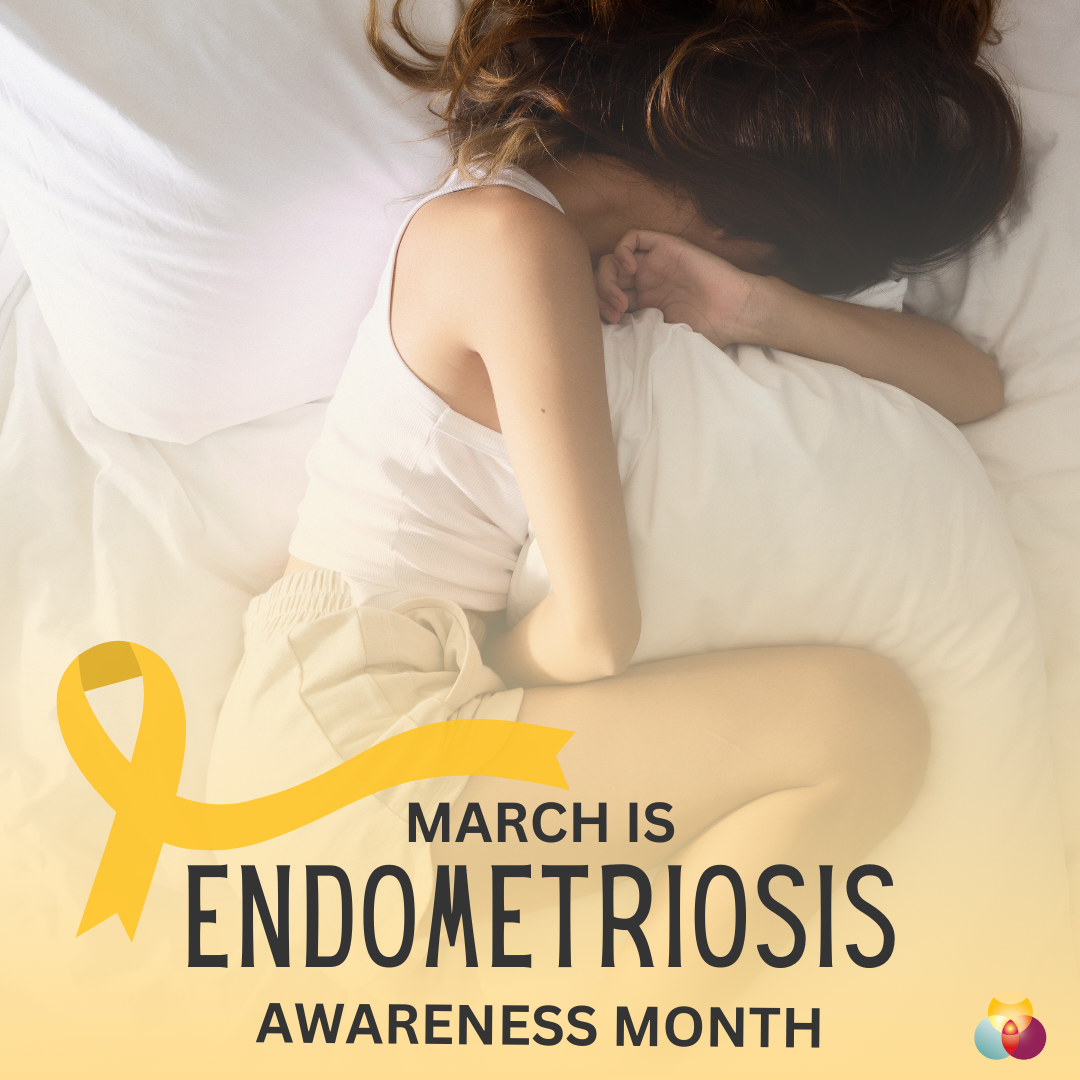
The reality of living with endometriosis and the importance of awareness
Many women quietly struggle with endometriosis, dealing with the physical symptoms along with the emotional toll it takes on their lives. This condition often affects their relationships, work, and overall ability to be fully present. The challenge is compounded by the fact that endometriosis is not always visible to others, often leading to feelings of isolation, anxiety, and depression, which is one reason awareness matters so much.
Together, we can make a difference
Endometriosis Awareness Month is not only about increasing awareness but also about fostering a community of support and advocacy. By sharing stories, resources, and information, we can help break the silence that often surrounds endometriosis and reproductive health challenges.
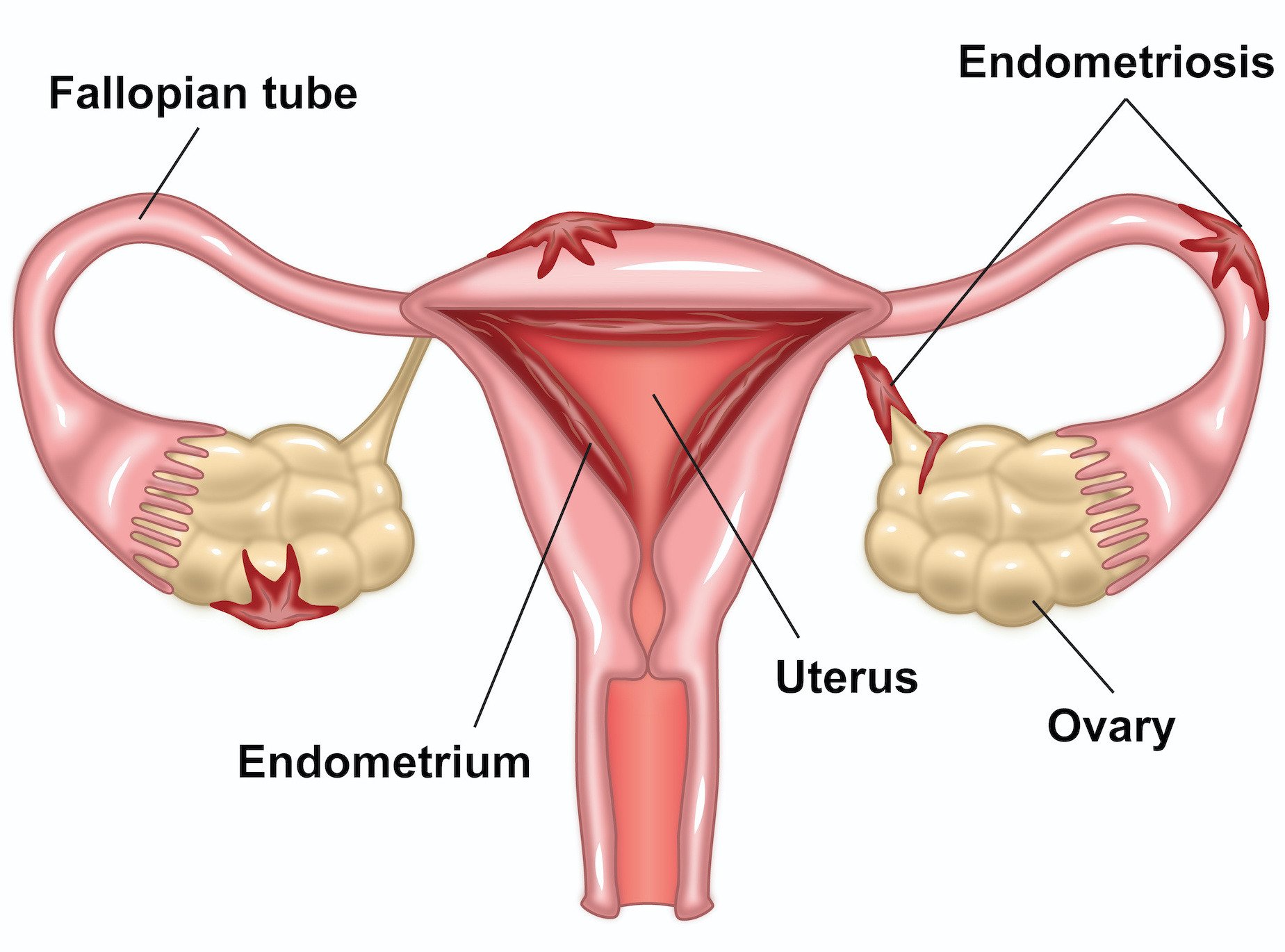
How can endometriosis cause infertility?
The link between endometriosis and fertility challenges is well-documented, with the condition being a common cause of infertility in women. The American Society for Reproductive Medicine estimates that about 30% to 50% of people with endometriosis may have trouble getting pregnant due to factors such as diminished egg quality, ovarian cysts (endometriomas), fallopian tube blockages (which can prevent the egg from traveling to the uterus), and pelvic inflammation.
Endometriosis and IVF: what to know
In cases of infertility caused by endometriosis, both IVF with the patient’s eggs and IVF with donor eggs are viable options, depending on the specific situation and the extent of endometriosis-related damage to the patient’s ovarian reserve (egg supply). IVF with the patient's own eggs is often the first approach, particularly for those with a sufficient ovarian reserve. However, for patients who have a diminished ovarian reserve due to endometriosis or those who have not achieved success with their own eggs, IVF with donor eggs is often recommended as an alternative.
Support for endometriosis and infertility
Our team wants to offer hope and practical options to anyone living with endometriosis, especially if you are facing the complex process of building a family. For individuals who are considering donor egg IVF, our team is dedicated to making the process of finding and using donor eggs as clear and manageable as possible while providing resources and support to guide you through the physical and emotional aspects of the process.
Find hope in the experiences of other endo warriors
We can’t overemphasize the importance of emotional support. Hearing stories from others who have walked a similar path, and even connecting with others through virtual support groups, can be invaluable to your mental health as you move through this experience. If this interests you, you can find many testimonials on our website from individuals and couples who have overcome fertility challenges.
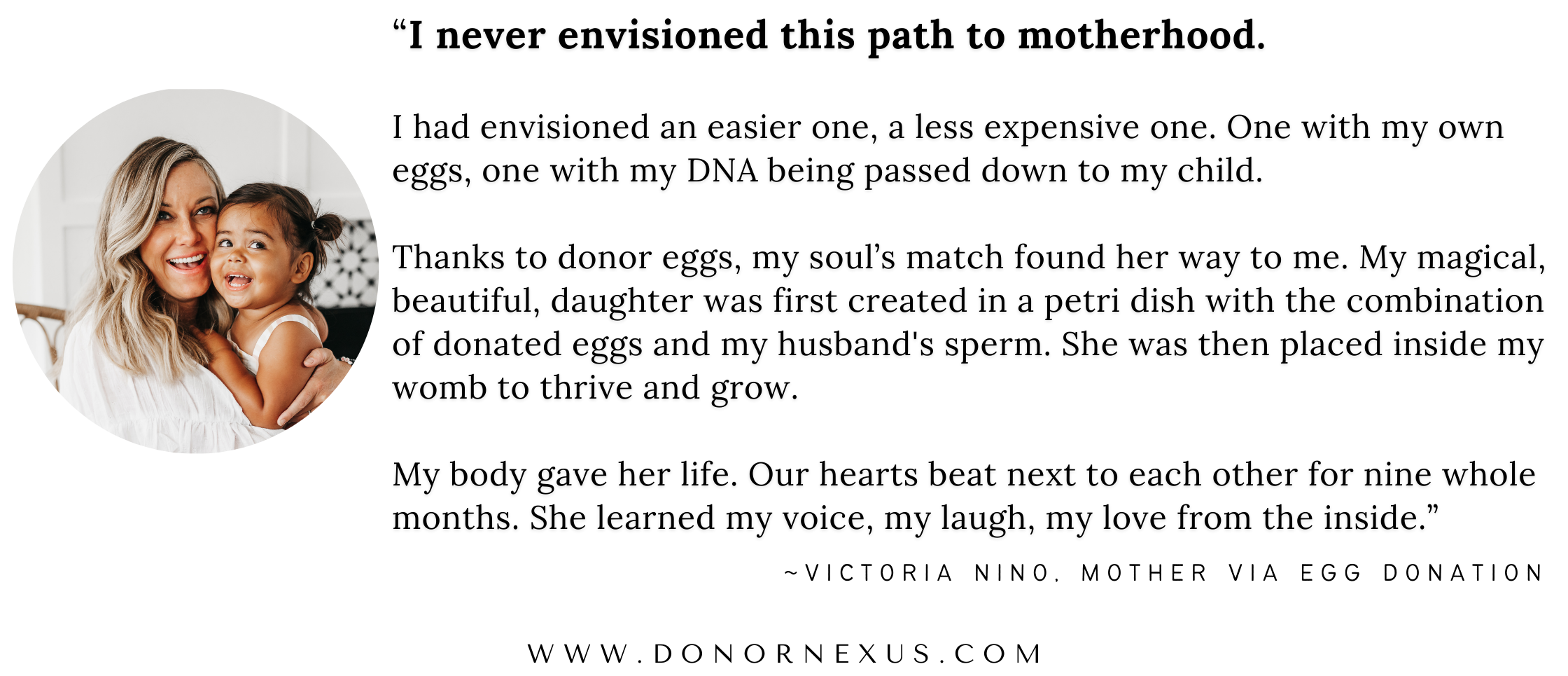
Our team is here for you at every stage of fertility treatment. If you or someone you know is struggling with fertility due to endometriosis, we invite you to reach out to our team for guidance and support. As you consider your options, remember that you're not alone and there is always hope. As shared by Endo Warrior Victoria Niño,
If you're exploring donor eggs, our guides to using donor eggs, how our egg donor agency works and our frozen donor egg bank walk through each path, and you can create an account to search the egg donor database whenever you're ready.
Frequently asked questions
Can you get pregnant with endometriosis?
Yes, many people with endometriosis get pregnant. ASRM estimates that about 30% to 50% of people with endometriosis may have trouble getting pregnant, and IVF is one of the treatment options.
How does endometriosis cause infertility?
Endometriosis can affect fertility through lower egg quality, ovarian cysts called endometriomas, blocked fallopian tubes and inflammation in the pelvis.
Can you use donor eggs if you have endometriosis?
Yes. IVF with a patient's own eggs is often tried first, and IVF with donor eggs is an option when endometriosis has reduced ovarian reserve or earlier cycles have not worked.
Sources
- World Health Organization. Endometriosis fact sheet. who.int
- American Society for Reproductive Medicine. Endometriosis patient education page. ReproductiveFacts.org. reproductivefacts.org
Medical disclaimer
This article is general information about endometriosis and fertility and is not medical advice or a diagnosis. Talk with a qualified healthcare provider about your own health and treatment options.
Related reading

Lucy Solie-Vilker
Lucy Solie-Vilker is the CEO of Donor Nexus, where she's helped build one of the most established platforms in egg and embryo donation. Since 2012, her work has contributed to more than 2,000 babies born to Don…
Ready for the next step?
If you are ready to get started or just need more info, contact us today.